

Leadership Search Profile: Chair, Department of Medical Physics
The University of Wisconsin School of Medicine and Public Health invites applications and nominations for the position of chair of the Department of Medical Physics.
Apply by April 21, 2026 for full consideration.
The Opportunity
The Department of Medical Physics — the first of its kind in the country and one of the most influential programs in the world — seeks a visionary leader to guide its next era of scientific discovery, clinical innovation, and impact.
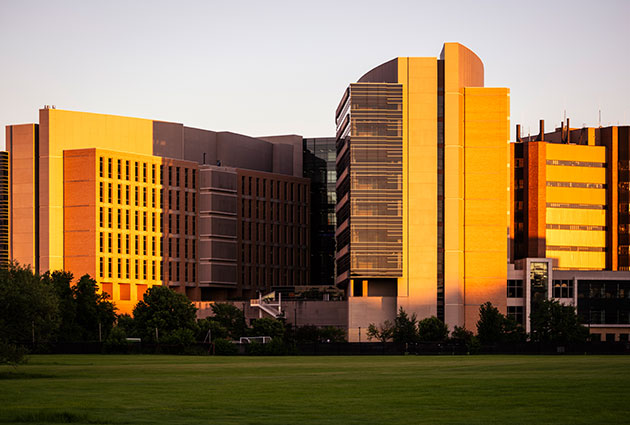
The department is a global leader known for its groundbreaking research and innovative education programs that lead to new applications of physics in medicine and biology. It leads breakthroughs that aid in the diagnosis and treatment of disease by leveraging extensive expertise in medical imaging, radiotherapy, radiation metrology, theranostics and biomagnetism.
Known for its strong research and clinical training, the department fosters an elite portfolio of basic and translational research with direct applications to medicine and human health. Research themes are strongly aligned with improving treatment precision using localized and minimally invasive therapies that will improve patient outcomes. The department also successfully champions innovation and entrepreneurship with a strong track record of inventions and technology transfer.
 The Department of Medical Physics is proud to lead all institutions in recipients of the William D. Coolidge Award, the American Association of Physicists in Medicine’s highest honor.
 The department has the largest medical physics graduate program in North America. Nearly 40 years ago, it was one of the first to be accredited by the Commission on Accreditation of Medical Physics Education Programs.
The department also offers a 24-month imaging physics residency. Through training and collaboration with clinicians in fields including radiation oncology, radiology, cardiology, and neurosurgery, members of the department assure excellent patient care with advanced diagnostic and therapeutic equipment and techniques.
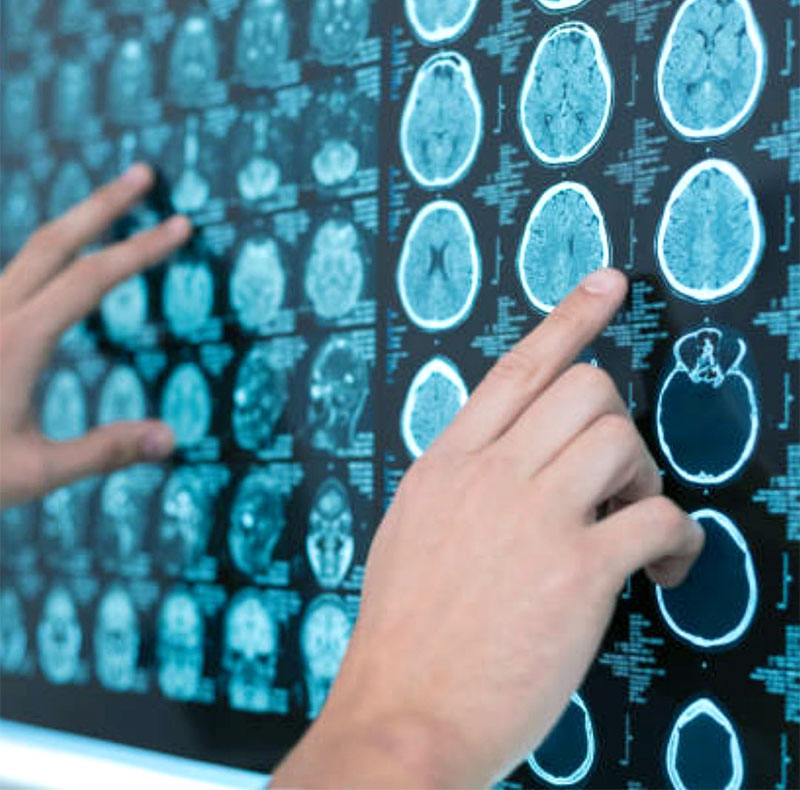
A key distinguishing feature of the department is its institutional setting within a top-tier research institution and the nation’s first School of Medicine and Public Health. With longstanding, close collaborations with departments across the school and the College of Engineering, as well as with the school’s health system partner UW Health and industry collaborators, the Department of Medical Physics is at the forefront of building partnerships to advance education, research, and patient outcomes.
This department’s next chair will be an innovative leader in the field of medical physics and will espouse outstanding qualities of strategic management and leadership. The successful candidate will maintain the department’s premier status by advancing its mission to educate and train future generations of medical physicists who will conduct innovative multidisciplinary research, translate novel devices and systems to products, provide professional physics services, and teach in health care facilities, laboratories, and training centers throughout Wisconsin and the world.
Organization Overview
UW–Madison
Since 1848, this campus has been a catalyst for the extraordinary. As a public land-grant university and one of the most prolific research institutions in the world, UW–Madison is home to those who are driven by a desire to both explore new worlds and to apply new ideas to real-world problems.
Research and academic excellence
With a total annual budget of nearly $5 billion, including more than $1.9 billion in annual research expenditures, UW–Madison has been in the top 10 in national research spending every year since 1972 and is currently ranked fifth.
The university is home to more than 27,000 faculty and staff and 52,000 undergraduate, graduate and professional degree students. Members of the student body represent all 50 states and 129 countries.
The university ranks as the number two best public university in the country (TIME, 2026) and #30 best university worldwide (Center for World University Rankings, 2025).
Improving lives beyond the classroom
The Wisconsin Idea — the principle that the university should improve people’s lives beyond the classroom — has been guiding the efforts of UW–Madison Badgers for more than a century. The university has been dedicated to studying poverty and social inequity for 50 years, ranks #1 among large schools for producing Peace Corps volunteers and boasts 20 Nobel Prize winners among its faculty and alumni including 10 winners of the Nobel Prize in Physiology or Medicine.
We put the Wisconsin Idea into action through research, clinical care, and training that advances healthy people and healthy communities. Our aim is to be a national and even global model for academic medicine, driven by a spirit of purposeful ambition and sense of service.
- Nita Ahuja, MD, MBA, dean of the University of Wisconsin School of Medicine and Public Health
School of Medicine and Public Health
The University of Wisconsin School of Medicine and Public Health (SMPH) is recognized as an international, national and statewide leader in education, research, and service. Founded in 1907, it transformed into the nation’s first School of Medicine and Public Health in 2005 to integrate the principles and power of interwoven medical and public health approaches in all of its missions.
With nearly 6,000 employees, including over 2,000 faculty, the school’s engagement spans the entire state of Wisconsin and includes a deep commitment to improvement of the health of the population. This commitment manifests itself in innovative models that serve as exemplars for the rest of the country.
Advancing academic medicine through excellence and discovery
Members of the school rapidly translate discovery into application and continually foster synergies between clinical care, education and research. Consistently ranked among the nation’s top medical schools, SMPH has established high-performance programs spanning the entire spectrum of academic medicine.
Rankings:
- UW–Madison ranks #5 in the country for research expenditures (NSF Higher Education Research and Development Survey)
- The university ranks #3 in the nation for PhDs earned in biological and biomedical sciences (National Center for Science and Engineering Statistics 2024 Survey of Earned Doctorates)
- UW–Madison ranks as #2 public university in the country and #20 overall worldwide in the World’s Top Universities of 2026 analysis (Time Magazine)
- The school ranks #24 among U.S. medical schools (#10 public medical school) for NIH funding in federal fiscal year 2025, with two departments — Urology and Radiology — ranked in the top 10 (Blue Ridge Institute for Medical Research)
- The school ranks Tier 2 in best medical schools for research and Tier 2 for primary care (U.S. News and World Report 2025 rankings)
- The school ranks #14 among medical schools with the most graduates practicing in rural areas (U.S. News and World Report)
Renowned faculty
The school’s faculty hold appointments in 28 departments — 18 in the clinical sciences and 10 in the basic sciences. The faculty is composed of some of the nation’s leading researchers, educators and innovators including members of the National Academies and honorees of awards such as the Kavli Prize, the Louisa Gross Horwitz Prize, Guggenheim fellows, and the American Innovator Award.
Mission and values
The school strives to realize its vision of healthy people and healthy communities through remarkable service to patients and communities, outstanding education and innovative research. It upholds the values of integrity and accountability, compassion, social impact and belonging, and excellence. The school’s Shared Guidelines for Professional Conduct help all faculty, staff and learners embody these values in their daily activities; and it fosters a culture dedicated to creating a collaborative, respectful and welcoming environment in which everyone thrives.
UW Health
UW Health is the integrated health system affiliated with the University of Wisconsin–Madison serving more than 867,000 patients each year in the Upper Midwest and beyond with more than 2,000 employed physicians and over 26,500 employees at six main hospitals and more than 105 primary and specialty outpatient locations in Wisconsin and Illinois.
UW Health is governed by the UW Hospitals and Clinics Authority and partners with UW School of Medicine and Public Health to advance patient care, research, education and community service to patients from across the U.S. and around the world. UW Health Hospitals, which includes both University Hospital on the UW–Madison campus and UW Health East Madison Hospital on the city’s far east side, has been ranked #1 in Wisconsin for 14 years in a row by U.S. News and World Report. American Family Children’s Hospital on the UW–Madison campus is nationally ranked in three pediatric specialties.

The First Medical Physics Department in the U.S.
The Department of Medical Physics began as a program housed in the Department of Radiology in 1958 and was established as an academic department in 1981. It is recognized throughout the field for its rich history and leadership in research, education and medical physics services.
The Department of Medical Physics is home to 29 outstanding primary faculty:
- 25 tenure-track (tenure home or split tenure with Medical Physics) and 4 clinical health science (CHS) track
- Plus 14 active emeriti and 51 affiliate faculty
The department has active research programs in impactful areas of the application of physics to detection, monitoring, and treatment of disease. This broad research base positions the department for leadership at the forefront of a rapidly evolving frontier of new physics discoveries and technological developments. A key area of strength is theranostics and radiopharmaceutical development, where, in collaboration with partners in radiation oncology and radiology, scientists are building a pipeline of discovery from molecular synthesis to activation in clinical trials.
Research in the department is supported by approximately $8.5 million annually in extramural grants and industry contracts, and $8 million in revenue-producing accounts. Approximately $7.5 million is federal funding from the National Institutes of Health, Department of Energy, and basic research and medical research programs of the Department of War.
The Cyclotron Research Group in the department makes radionuclides for medical diagnosis, disease treatment, and fundamental scientific discovery. It supports approximately $55M annually of extramural funded research at UW–Madison, and more than $25M annually of funded research with more than 50 collaborators across the nation.
Championing entrepreneurship
Many faculty members have successfully patented and licensed inventions, such as Digital subtraction angiography (DSA), TRICKS high speed MR angiography, Pinnacle radiation treatment planning software, TomoTherapy radiation therapy system, Lunar bone mineral densitometry system, and most recently a collaboration on preclinical-stage radiopharmaceutical theranostics agents. Resources to support transfer of technological innovations to the marketplace include the Wisconsin Alumni Research Foundation (WARF), which is the technology transfer office for UW–Madison. Founded in 1925, WARF is widely recognized as the first office of its kind in the nation, offering a unique model in which WARF covers all costs of intellectual property commercialization and defense. To date, more than 25 companies have been launched by the Department of Medical Physics faculty and students. Currently, approximately one third of the faculty are actively engaged in startup entities, with about 20 invention disclosures filed per year and about 10 patents awarded annually. In 2022, the department initiated an Entrepreneurial Fellowship Program to fast-track select senior PhD students and postdocs towards startup incubation and formation.
Training the future of medical physics
The department exemplifies excellence in the educational mission by training new generations of medical physicists who will conduct leading research, clinical physics and instruction in health care, using premier facilities, laboratories, and training centers. The department serves as a model for a modern medical physics graduate education and training program. The PhD program is highly selective, being the largest doctoral program in the world focused singularly on Medical Physics and is composed of 80-100 students. The MS program, which includes a recently added accelerated master’s program, has 15-20 students. Program features include:
- PhD in Medical Physics (CAMPEP-accredited program for those pursuing clinical physics, or an interdisciplinary pathway for those who prefer a research-based career)
- Home to a National Cancer Institute T32 UW Radiological Sciences Training Program. The T32 program is currently in its 47th year with funding secured through 2029.
- Imaging Physics Residency Program, a 24-month clinical training program for individuals with PhD degrees in Medical Physics.
- A CAMPEP-accredited MS degree in Medical Physics, which admits students interested in pursuing a two-year Medical Physics degree.
Collaborating to improve patient care
Department members also collaborate closely with health care professionals in UW Health and with multiple professional organizations. The University of Wisconsin Medical Radiation Research Center in the department hosts the nationally accredited Radiation Calibration Laboratory — the only non-governmental research program in the nation dedicated to radiation metrology — to improve patient care and safety nationally and internationally.
The department has a strong history of collaborations involving joint appointments and/or faculty affiliated with other departments, including the departments of Radiology, Human Oncology, Psychiatry, Medicine, and Biomedical Engineering. It also has longstanding industry collaborators, including GE HealthCare and Siemens Healthineers.
Qualifications and Attributes of Leadership
The successful candidate will have a compelling vision for the future of medical physics in a leading research-intensive public university and academic medical center. The Chair will possess proven leadership and management skills as well as an outstanding scholarly background. The Chair will provide strategic, academic, and administrative leadership of the highest quality to this distinguished department in its research, teaching, and service missions.
Applicants must have substantial academic accomplishments that merit a tenured appointment at the rank of Professor at the University of Wisconsin–Madison. A PhD or equivalent degree(s) are required.
The Community
Located on an isthmus between two lakes, Madison is the capital city of the state of Wisconsin. Madison has been voted in the top 100 Best Places to Live in the USA (Liveability, 2023) and ranked the seventh Happiest City in America (WalletHub, 2025). Madison is also:
City for Best Work-Life Balance (Elevate Leadership, 2026)
Best Cities for STEM Jobs (WalletHub, 2024)
Best State Capitals for Safety (WalletHub, 2024)
Madison is the second largest city in the state, with a city population of approximately 285,000 and regional population of over 1 million. The city is within easy driving range of Chicago and Milwaukee. Madison offers numerous unique neighborhoods and commercial areas including the Capitol Square, State Street, Willy Street, Shorewood Hills, Maple Bluff, and Hilldale. Suburbs and surrounding smaller communities include Sun Prairie, Middleton, McFarland, Verona, Cottage Grove, Waunakee and Fitchburg.
The city’s technology economy is growing rapidly, and the region is home to the headquarters of Epic Systems, Exact Sciences, Promega Corporation, American Family Insurance, Trek Bicycle, Sub-Zero, and Lands’ End, as well as many biotech, digital health and health tech startups.
Madison is home to one of the strongest local food scenes in the country with restaurants by multiple James Beard Award winners and semifinalists, gastropubs and farm-to-table restaurants. From April to October, the Capitol Square hosts the impressive Dane County Farmers’ Market, the largest producer-only farmers’ market in the country.

Love of the Arts
Madison is rich with cultural offerings such as the Overture Center for the Performing Arts, Orpheum Theatre, Concerts on the Square, Madison Symphony Orchestra, Madison Opera, UW–Madison Chazen Museum of Art, and Madison Museum of Contemporary Art, among others.

Natural Beauty
Madison is renowned for its parks and greenspaces, helping residents stay connected to nature and outdoor recreation year-round. Outdoor attractions include the free Henry Vilas Zoo, Olbrich Botanical Gardens, the UW Arboretum, and numerous parks and lake access.

Lively Fandom
The city has a dedicated athletics fanbase which largely centers around the University of Wisconsin–Madison. Sports venues include Camp Randall Stadium, the Kohl Center, LaBahn Arena, Wisconsin Field House and the Alliant Energy Center.
Madison is home to Forward Madison FC, the first professional soccer team in the city, and Rally Madison FC, as well as the Madison Mallards baseball team and Madison Night Mares softball team. Marquee endurance sports and specialty sporting events include IronMan Wisconsin and IronMan 70.3, Madison Marathon, and many national and international championship competitions.
The Application Process
Nominations
Please send nominations to Sterling Johnson, PhD and Elizabeth Quinlan, PhD, co-chairs of the Department of Medical Physics Chair Search Committee, c/o, 4299C HSLC, 750 Highland Avenue, Madison, WI, 53705-2111.
Apply
Visit go.wisc.edu/medphysicschair to apply. Applicants will be asked to upload a CV and personal statement/cover letter.
To receive full consideration, please apply by April 21, 2026.
Confidentiality
Unless confidentiality is requested in writing, information regarding applicants must be released upon request. Finalists cannot be guaranteed confidentiality. The University of Wisconsin is an equal opportunity, affirmative action employer.
More Information
Visit the UW School of Medicine and Public Health website and the Department of Medical Physics website. A visually immersive website illustrates life in the city of Madison.