
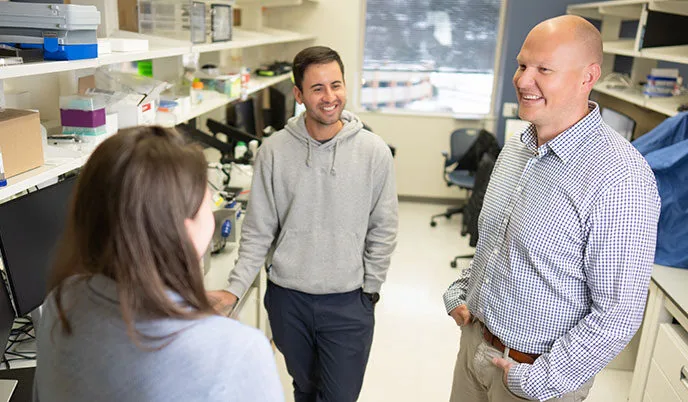
Q&A: Christopher Sundberg on the role of muscles in the aging process
What determines healthspan, the term used to describe the number of years people live in good health and free from chronic disease? Muscle physiology plays a key role.
Through RISE-THRIVE, the School of Medicine and Public Health aims to build expertise and support research in immunology and the human healthspan.
From broadening understanding of how muscles age to exploring the complex relationship between the immune system and cancerous tumors, from seeking new approaches to prevent cancer to identifying ways to improve transplant outcomes, and from investigating cellular therapies to developing new insights into neuroinflammation and neuroimmunology, our faculty are advancing medical frontiers in immunology and healthspan research.
At UW–Madison, you will join an ecosystem of discovery, where world-class researchers come together to develop innovative treatments for intractable diseases, grow our knowledge of the human immune system, and enhance our ability to live healthy lives. RISE-THRIVE helps fuel the collaborative, cross-disciplinary partnerships that spark new ideas and lead to breakthroughs in understanding, while building on UW–Madison’s historic strengths:


Christopher Sundberg, PhD, Assistant Professor of Medicine

What determines healthspan, the term used to describe the number of years people live in good health and free from chronic disease? Muscle physiology plays a key role.

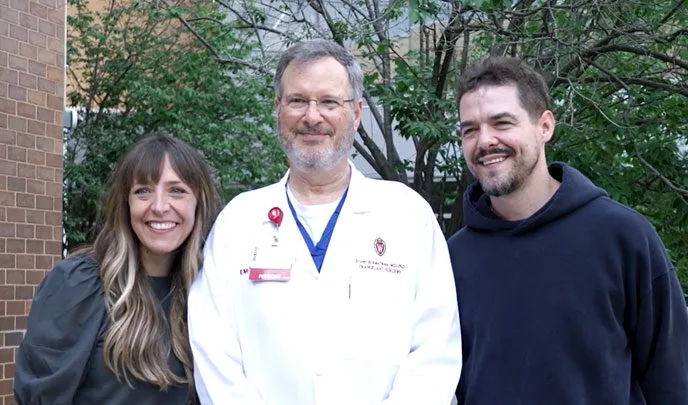
Kidney transplant patients are embracing a new chapter of life, thanks to a groundbreaking clinical trial that eliminates the need for a lifelong regimen of anti-rejection drugs, which can cause serious side effects.

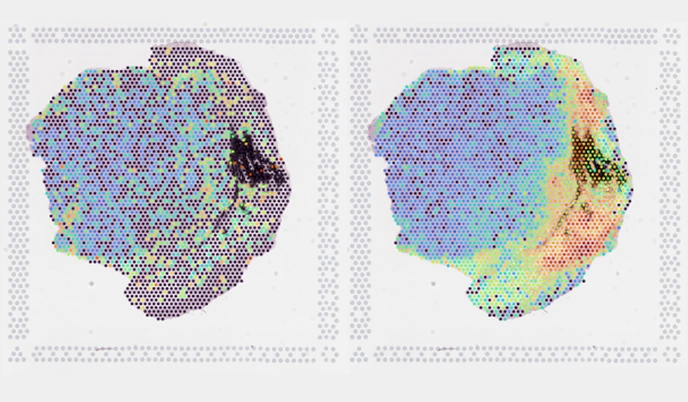
A new study in mice shows that delivering different doses of radiation to a tumor revs up the immune system and allows it to detect not only the treated tumor but distant tumors that were not irradiated. When mixed dose radiation is followed with immunotherapy drugs called immune checkpoint inhibitors, it makes the drugs more effective at killing cancer cells throughout the body than when radiation was delivered at a single dose level.