

Preparing medical residents to practice lifestyle medicine
Americans are getting sicker earlier in life. More than half of young adults aged 18-34 years report at least one chronic condition, such as obesity or diabetes, and adults in midlife are increasingly likely to have two or more.

AI technology for clinical documentation aids efficiency and reduces burnout
A randomized trial showed that ambient AI notetaking can help reduce health care practitioner burnout by reducing time spent documenting clinical notes.

UW launches new research center to examine aging and age-related diseases
A new research center at the University of Wisconsin School of Medicine and Public Health will focus on understanding how metabolic changes associated with aging influence health and cause disease.
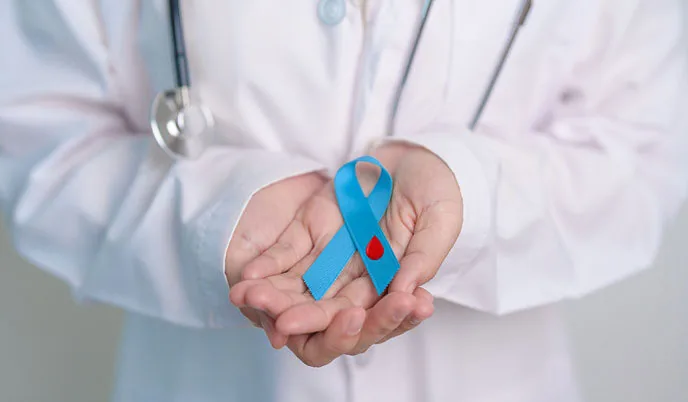
UW researchers tackle diabetes from multiple angles
Diabetes is a growing epidemic in Wisconsin. Its rise has been linked to limited access to healthy food and health care in some communities, lower levels of physical activity, and a rise in obesity, among other factors.
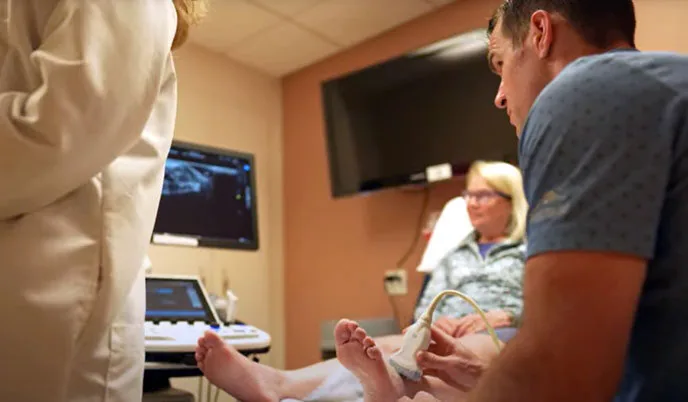
Improving rural access to rheumatology care
A new collaborative training program, known as STARS-R aims to help rural primary care physicians build skills in managing existing patients with rheumatologic conditions by pairing them with professors of rheumatology from the UW School of Medicine and Public Health.

An early roadmap to preventing a devastating childhood brain cancer
Stopping genetic mutations that cause a rare but aggressive brain tumor in children may be the key to preventing the cancer’s development in the first place, according to researchers in the UW School of Medicine and Public Health.

Cell therapy for Parkinson’s shows promise
Parkinson’s patients are receiving a new investigational treatment thanks to groundbreaking research by Dr. Marina Emborg, a professor of medical physics in the University of Wisconsin School of Medicine and Public Health.
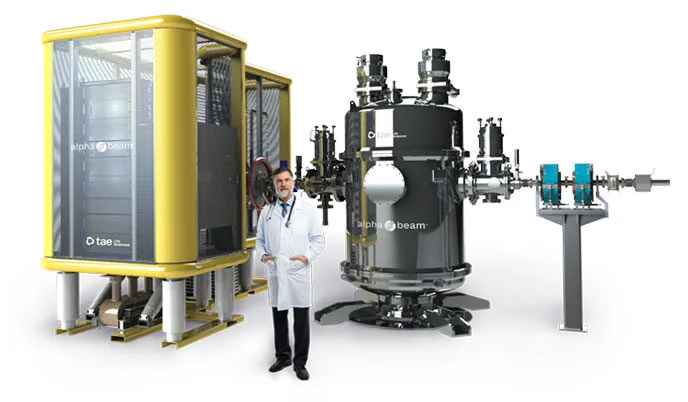
UW–Madison to lead nation in boron neutron capture therapy for cancer
The University of Wisconsin–Madison and TAE Life Sciences, a biotechnology company specializing in targeted radiation therapy for cancer care, have signed a memorandum of understanding, or MOU, announcing the intention to launch the first accelerator-based boron neutron capture therapy (BNCT) center in the United States.
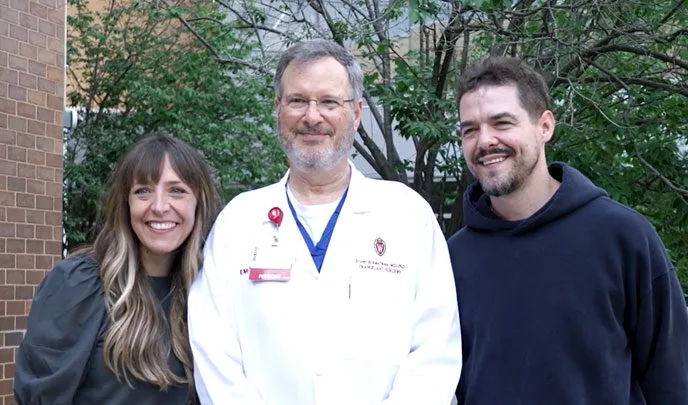
Freeing kidney transplant patients from daily anti-rejection medications
Kidney transplant patients are embracing a new chapter of life, thanks to a groundbreaking clinical trial that eliminates the need for a lifelong regimen of anti-rejection drugs, which can cause serious side effects.
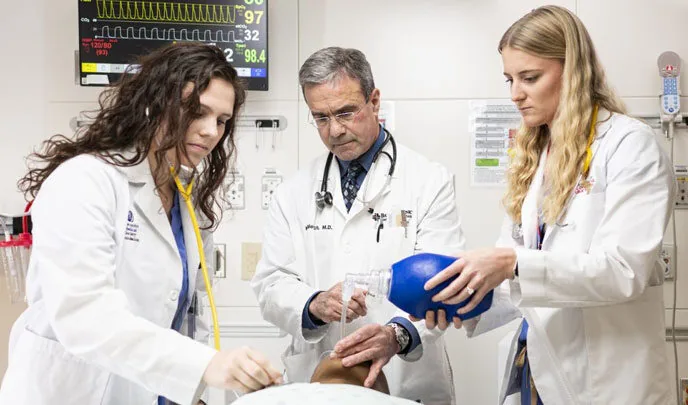
Training medical students for rural practice

Stronger communities, healthier futures: the Wisconsin Idea at work

No role for routine antibiotic use in patients admitted for COVID-19
A large cohort study by researchers at the University of Wisconsin School of Medicine and Public Health provides the best evidence to date that routine antibiotic treatment for COVID-19 is unnecessary and potentially risky.