
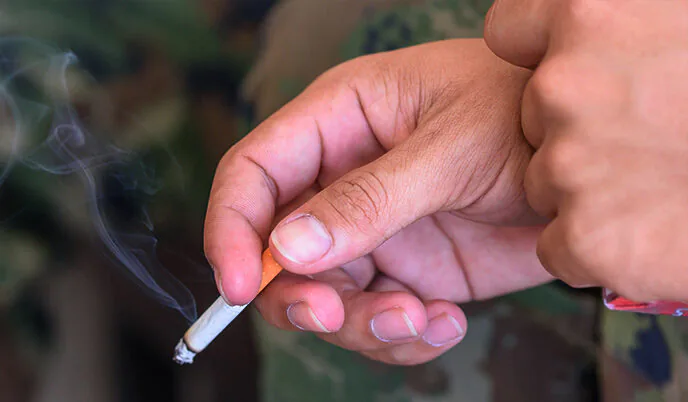
New guidelines for helping veterans and military personnel quit smoking
Through clinical trials, Jessica Cook, PhD, and her team found that about 25% of participants who receive motivation-phase treatment decide to make a quit attempt and enter cessation treatment.

UW receives $11.1 million to improve tobacco use treatment
UW-CTRI researchers will partner with 16 community health centers in WI and MA to develop, test, refine and sustain improved tobacco use treatments for adult patients at community health centers.
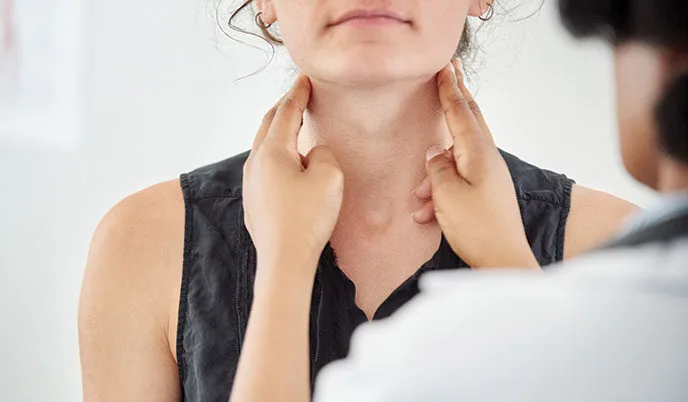
Overdiagnosis of thyroid cancer remains high
Most cases of papillary thyroid cancer in the United States may have been overdiagnosed over the past three decades, meaning they were detected and treated surgically without improving population rates of death due to the cancer, according to a recent study from researchers at the University of Wisconsin School of Medicine and Public Health.

Radiologists benefit from global teaching partnerships
When University of Wisconsin radiology experts volunteer to support their peers in under-resourced communities around the globe, they not only impart knowledge but also absorb valuable lessons and experiences.
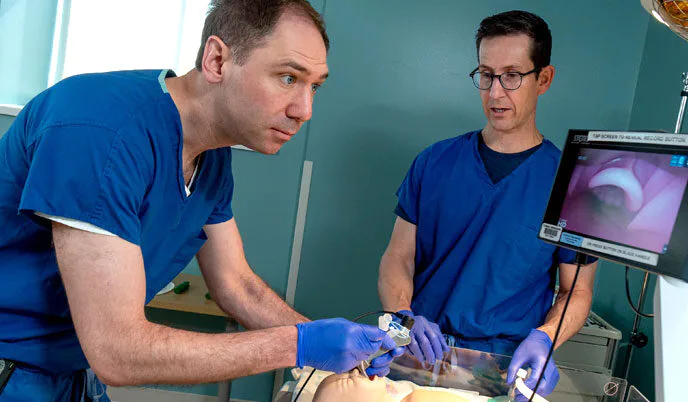
AI coach could train doctors in critical newborn airway procedure
Researchers at the University of Wisconsin School of Medicine and Public Health are developing an artificial intelligence-based “digital mentor” to support the training of clinicians who help newborns in the neonatal intensive care unit breathe.

Study linking environmental factors and Alzheimer’s disease awarded NIH funding
A nationwide study led by the University of Wisconsin School of Medicine and Public Health that explores the relationship between Alzheimer’s disease, environmental factors and lifetime experiences has been awarded a second round of funding from the National Institutes of Health (NIH).

Milwaukee taps UW–Madison research to inform lead pipe replacement strategy
In Milwaukee, tens of thousands of households still receive drinking water through lead service lines. The pipes were installed many decades before medical research made clear that even a small amount of lead is toxic, particularly for small children.

Opening up about farmers’ mental health
A five-year grant from the Wisconsin Partnership Program (WPP), a grantmaking program in the University of Wisconsin School of Medicine and Public Health, provided suicide prevention training to farmers and people close to them. The result is the de-stigmatization of a once-taboo subject and a better understanding of how to find help.
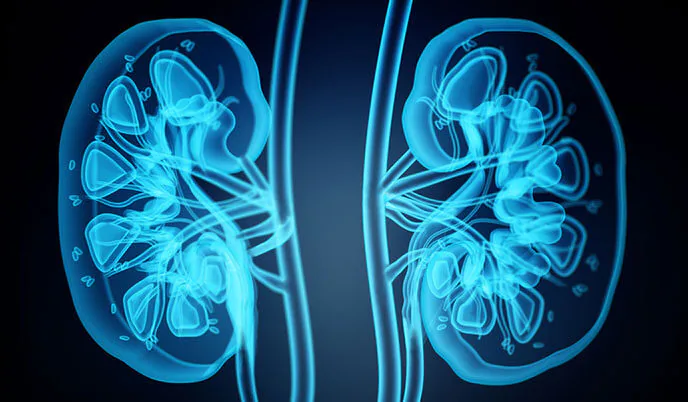
Clinical trial tests new cell therapy to manage kidney transplant rejection
A first-of-its-kind clinical trial at the Program for Advanced Cell Therapy will examine a new method to manage kidney rejection following transplant.

Preparing medical residents to practice lifestyle medicine
Americans are getting sicker earlier in life. More than half of young adults aged 18-34 years report at least one chronic condition, such as obesity or diabetes, and adults in midlife are increasingly likely to have two or more.

AI technology for clinical documentation aids efficiency and reduces burnout
A randomized trial showed that ambient AI notetaking can help reduce health care practitioner burnout by reducing time spent documenting clinical notes.
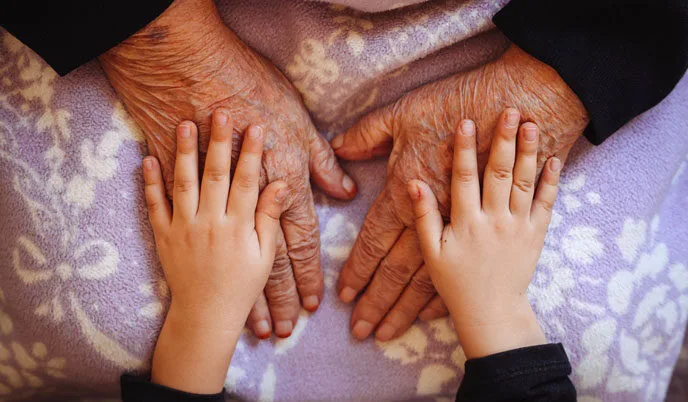
UW launches new research center to examine aging and age-related diseases
A new research center at the University of Wisconsin School of Medicine and Public Health will focus on understanding how metabolic changes associated with aging influence health and cause disease.