Lifestyle medicine is embedded within the broader field of preventive medicine. While the latter emphasizes screenings, vaccines and education, lifestyle medicine offers a specialized, patient-empowering approach. Group medical appointments are one hallmark. At Verona Clinic, patients with hypertension and type 2 diabetes have the option of meeting in a group every other week for six weeks in the winter. The one-and-a-half-hour meetings, co-led by Krewson and faculty physicians, center around topics such as nutrition, sleep or exercise — all things that people can improve to reduce their blood pressure, cholesterol, and elevated blood sugars. Participants break into smaller groups to share their personal goals. According to Krewson, that’s when meaningful connections occur.
“I observe huge camaraderie,” she said. “People greet one another, check in on challenges they may be having in meeting their goals for healthy eating or exercise, and offer tips to each other.”
Krewson has also been helping to facilitate Kitchen Wisdom, a two-hour group medical visit at UW’s Osher Center for Integrative Health, which helps patients learn how to plan and prepare healthy meals.
“It matters what we put in our bodies, and how we interact with our communities,” Krewson asserted.
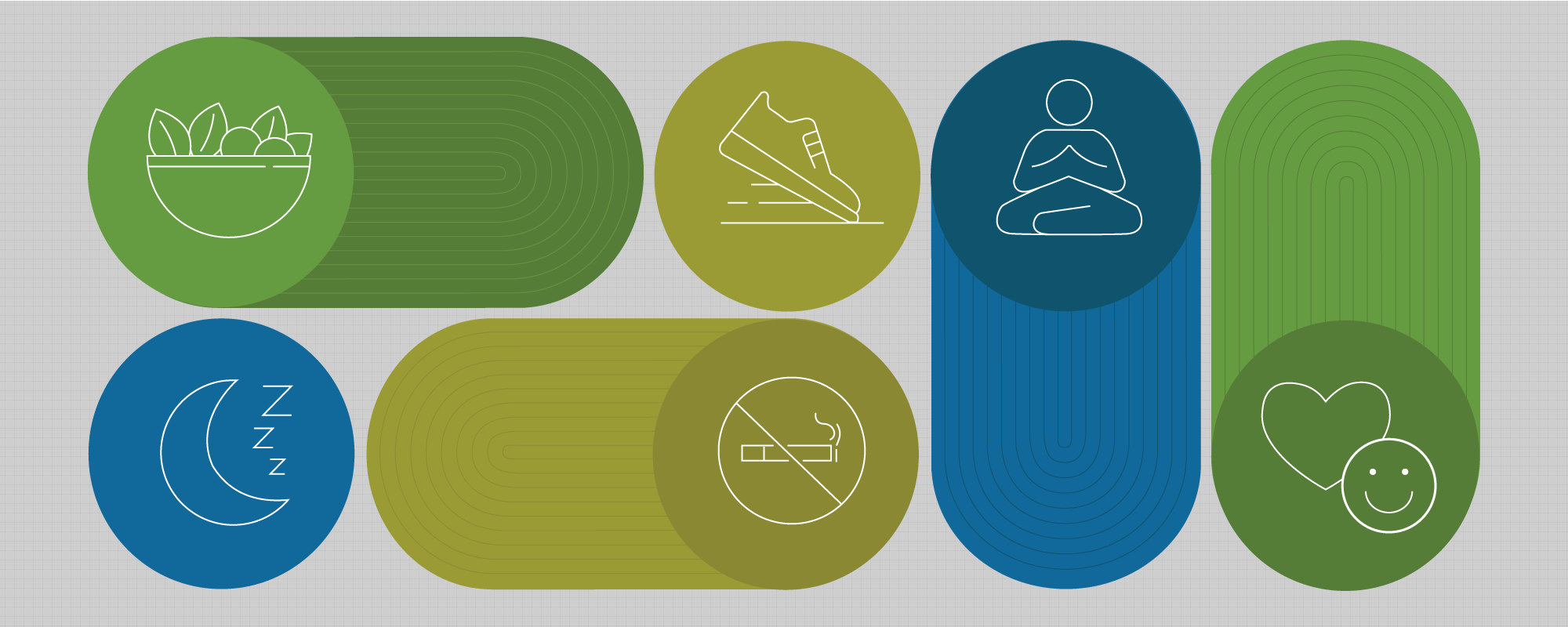
The six pillars of lifestyle medicine are: optimal nutrition, physical activity, stress management, restorative sleep, avoidance of risky substances, and connectedness. It’s that last one that can prove the trickiest to address, Krewson said.
“Community and social connections are so, so important, yet we tend to talk less about that in clinical settings,” she said. “But the group medical visits themselves are actually creating community. They provide an excellent opportunity for people who may be living alone to join together and share insights.”
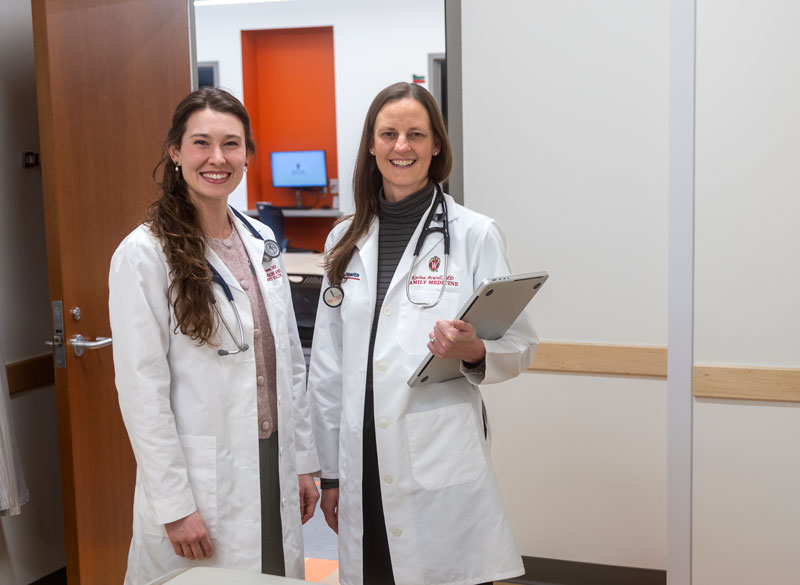
It was the “we’re-all-in-this-together” aspect of lifestyle medicine that first drew Atwell, Krewson’s mentor, to become board-certified in the specialty.
Five years into her practice as a family medicine physician with UW Health, Atwell was feeling frustrated with traditional models of care.
“I thought, ‘I have all of this training in primary care, I’m doing all this medication intervention with my patients, I’m recommending specialists — but are we moving the needle more than just a little?’” she recalled.
Atwell set out to explore different models of care, hoping to revitalize her joy in practicing medicine and help her patients make meaningful progress toward better health. She attended a national ACLM conference in 2022 and felt something shift.
“I had found my people,” she said. “I felt invigorated. Lifestyle medicine offers a balance between preventive and traditional care that works really well for my practice.”
In her faculty role with the UW School of Medicine and Public Health, Atwell is committed to supporting residents in family medicine and preventive medicine who may be interested in the lifestyle medicine approach. Through the new pathway she co-created with Krewson, Atwell envisions residents not only expanding their knowledge of an evidence-based care model but also becoming more competitive job candidates. More and more hospitals and clinics, such as Cleveland Clinic, have developed expertise in the specialty.
“I think there is a bit of a wave to be caught with lifestyle medicine,” she said. “In the big picture, the field of medicine is grappling with how to make changes in the way we care for a population that continues to have more and more preventable illnesses and chronic diseases coming along earlier in life. Lifestyle medicine seems simple, but the science behind it is strong.”
Krewson said medical students and residents can benefit from training that emphasizes specific, effective ways to help patients make lasting behavioral changes.
“More lifestyle medicine-type training would mean early-career physicians develop a better idea of how to provide preventive care,” she said. “Rather than just recommending that a patient eat better and exercise more, physicians could learn how to recommend specific lifestyle modifications based on age, medical conditions, and motivation for behavioral change.”
Meanwhile, Krewson is gratified to find many of her fellow residents asking her for insights on the specialty. She gives lectures on lifestyle medicine topics such as “How to Write an Exercise Prescription,” as part of the family medicine didactic learning curriculum, and is excited to continue teaching next year through her academic fellowship with the Department of Family Medicine and Community Health.
“I look forward to working with residents and medical students, participating in group visits, exploring clinics like UW Health’s Preventive Cardiology Clinic, and seeking out other UW physicians who are board-certified in lifestyle medicine,” she said. “One thing I am loving is that more residents are saying to me, ‘What you are doing is awesome, we appreciate having you as an expert in this area, and we are interested in learning more.”