

Alzheimer’s, related dementias cause high economic burden among Indigenous populations
Indigenous people living in Wisconsin and throughout the nation experience significant health and financial burden from Alzheimer’s disease and related dementias, according to new research published by a University of Wisconsin–Madison team and collaborators.
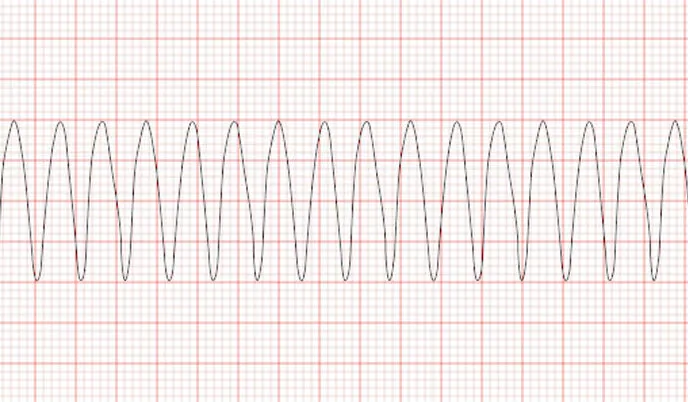
New study finds disparities in cardiac arrhythmia treatment
A large, population-based study has found cardiac ablation for ventricular tachycardia (VT) procedures is more likely to be performed on patients who are white males from wealthier neighborhoods.

Innovative clinical trial targets recurrent BK infection in kidney transplant recipients
Kidney transplant patients like Tessa Adolph, from Rockford, Illinois, face an age-old problem to protect their new kidney and bodies after transplant surgery: how to prevent infections while also safeguarding their new kidney from damage or rejection.

Antibody treatment reduces asthma attacks in children living in disadvantaged urban areas
A monoclonal antibody drug called mepolizumab decreased asthma attacks by 27% in children and adolescents who have a form of severe asthma, are prone to asthma attacks and live in low-income urban neighborhoods, according to a clinical trial sponsored and co-funded by the National Institutes of Health. The majority of the trial’s participants were Black and/or Hispanic—populations that have been under-represented in clinical trials and are at greatest risk for morbidity and mortality from asthma.

Black patients in Wisconsin 50% less likely to be treated for pancreatic cancer
Black patients with pancreatic cancer have lower survival rates than white patients, and a new study suggests why: They are much less likely to receive life-extending treatments.

Study finds higher asthma rates among Black and Hispanic children regardless of neighborhood income or density
A new, large study found that although there is a correlation between childhood asthma and being born into a densely populated or lower-income neighborhood, Black and Hispanic children had consistently higher rates of asthma than white children even in more affluent neighborhoods.

Future of health: Cancer vaccines
When people consider vaccines, many think about the pandemic and about preventing illness. However, certain UW researchers have a very different focus when they work with vaccines.

Rural patients who identify as Black experience higher rates of death and amputation from diabetic foot ulcer
Rural patients who identify as Black are at sharply increased risk of death or leg amputation due to diabetic foot ulcers, according to a new study from the University of Wisconsin School of Medicine and Public Health that analyzed national data on patient outcomes.

Wisconsin Registry for Alzheimer’s Prevention marks 20th anniversary
November marks a significant scientific milestone for the Wisconsin Registry for Alzheimer’s Prevention (WRAP) study at the University of Wisconsin School of Medicine and Public Health. It is the 20th anniversary of a groundbreaking study that is advancing the field of Alzheimer’s research here in Wisconsin and internationally.

UW School of Medicine and Public Health honors Native American Heritage Month
November marks Native American Heritage Month in the United States and the University of Wisconsin School of Medicine and Public Health reaffirms its commitment to advancing the health of Native Americans and increasing the representation of Native Americans in the health care workforce.

Hospital socioeconomic status, strain may increase death rate among ICU patients with COVID-19
Researchers at the University of Wisconsin School of Medicine and Public Health used hospital data from patients with COVID-19 admitted to intensive care units across the nation to identify factors linked to higher mortality rates within 28 days of admission.
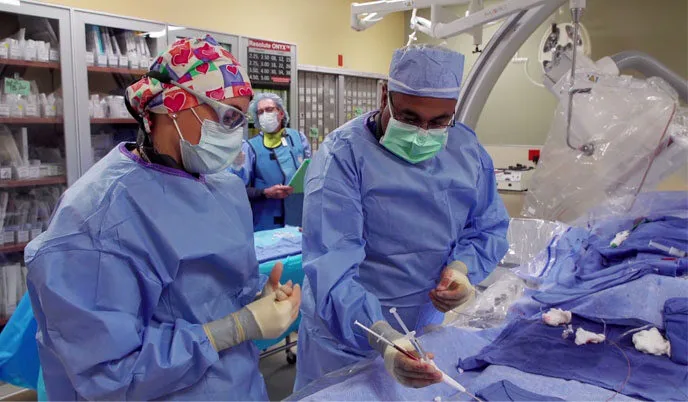
UW Health treats first patient in U.S. with investigational cell therapy for heart disease
Appleton resident Donald Krause became the first patient in the country last week to undergo an investigational cell therapy for a debilitating heart condition called chronic myocardial ischemia (CMI).