

Grants power two decades of statewide impact
The university’s medical school would not be the UW School of Medicine and Public Health without the Wisconsin Partnership Program (WPP), celebrating its 20th anniversary this year.

RISE-THRIVE initiative focuses on immunology and healthspan
The UW School of Medicine and Public Health will play a significant role in the newest area of focus for the Wisconsin Research, Innovation and Scholarly Excellence (RISE) initiative: RISE-THRIVE, aimed at advancing health and improving lives.

‘Forever chemicals’ show up in Wisconsin residents
A large, population-based study shows that while most Wisconsin residents have some “forever chemicals” known as PFAS in their blood, those who have the highest levels are higher income, older white men who have eaten locally-caught fish.
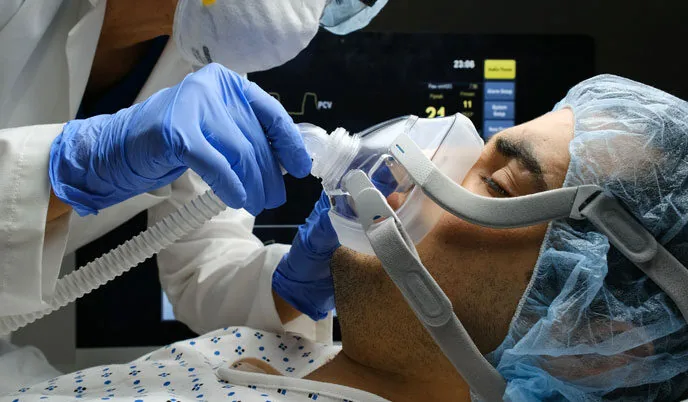
Noninvasive ventilation better for patients
Recently published results from a clinical trial showed that for critically ill adults needing tracheal intubation for emergency airway support, the method health care providers choose to use for providing supplemental oxygen before the intubation procedure affects the patient’s risk of hypoxemia, or potentially life-threatening low levels of blood oxygen.

John V. Williams named chair of pediatrics
Dr. John V. Williams, a leading expert on respiratory viruses that infect children, has been named the next chair of the Department of Pediatrics at the University of Wisconsin School of Medicine and Public Health.

Humid heat impacts dialysis patients
A large, population-based study shows that people receiving regular dialysis to treat kidney disease are vulnerable during heat waves, especially those living in cities in the humid southeastern states, resulting in higher death rates.
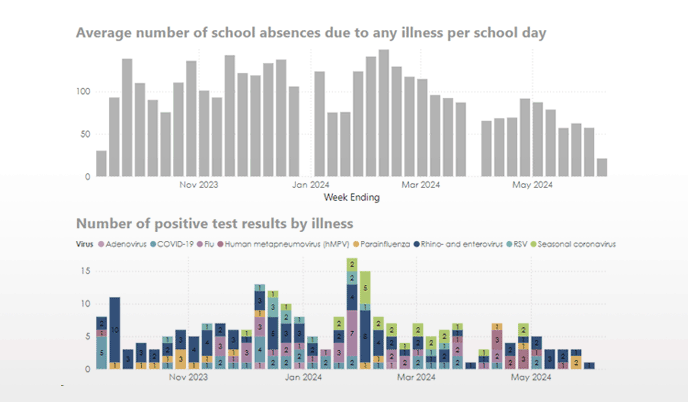
UW researchers’ data informs community when sickness lurks
What if you could check the “forecast” for respiratory illness as easily as you can check the weather? Would it influence your decision-making?

Murtaza named director of Center for Human Genomics and Precision Medicine
Dr. Muhammed Murtaza has become the next director of the Center for Human Genomics and Precision Medicine at the University of Wisconsin School of Medicine and Public Health.

Protect your eyes this Fourth of July
Fireworks light up many Independence Day celebrations, but setting them off comes with the risk of serious eye injuries.

Adolescent moods improve during smartphone use
According to a new study, adolescents report better moods when using their smartphones than when not using them, and that their moods improved while they were using their phones.
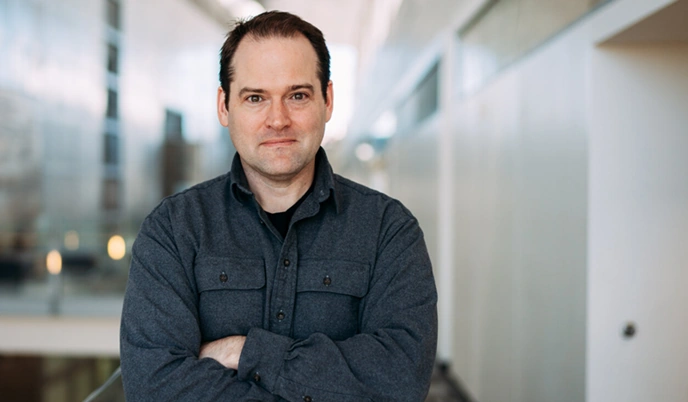
Q&A: Kip Ludwig on bioelectronic medicine
By hacking the nervous system with minimally invasive, super-precise techniques, Associate Professor of Neurological Surgery Kip Ludwig and his team are creating new treatments to relieve pain and restore function for those suffering from diseases and conditions as diverse as migraine, hypertension and cancer. This field of study is called neuromodulation, and its advances may render orally administered drugs obsolete.

Zachary Morris named chair of human oncology
Dr. Zachary Morris, a leading expert on innovative approaches to cancer therapy, will be the next chair of the University of Wisconsin School of Medicine and Public Health Department of Human Oncology effective June 2.