

Stronger communities, healthier futures: the Wisconsin Idea at work
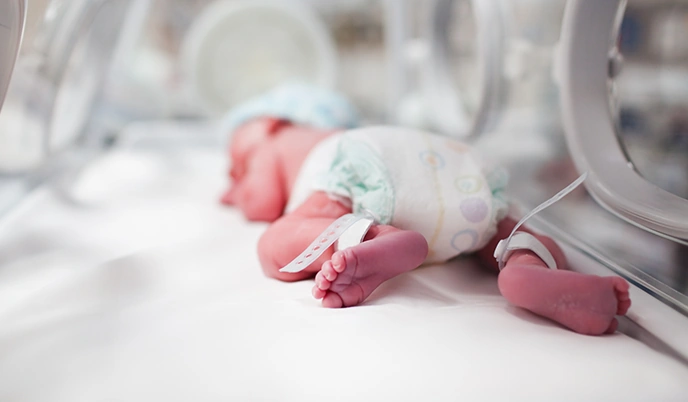
Newborn genomic testing expands with support from Wisconsin medical schools
Through an effort led by Wisconsin’s two medical schools, newborn genomic testing capacity will expand to more hospitals throughout the state, allowing rapid diagnosis of rare genetic conditions and improved medical management for critically ill newborns.
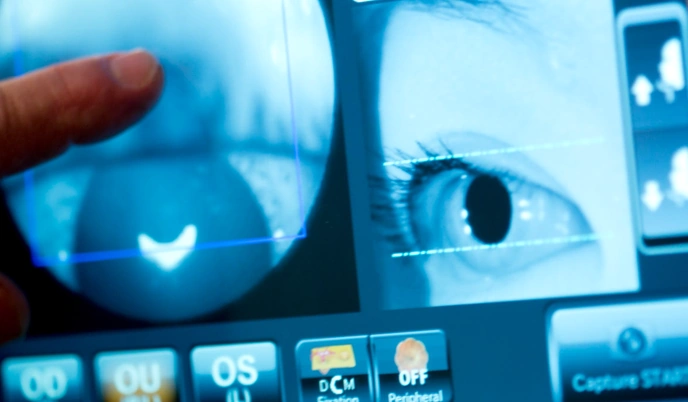
Detecting diabetic eye disease early helps prevent vision loss
Jeri Shultis knew something was wrong. He had driven south from Mauston, Wisconsin to Madison to watch his grandson wrestle at the state tournament, but he was struggling to focus on the mat.
Grants power two decades of statewide impact
The university’s medical school would not be the UW School of Medicine and Public Health without the Wisconsin Partnership Program (WPP), celebrating its 20th anniversary this year.

RISE-THRIVE initiative focuses on immunology and healthspan
The UW School of Medicine and Public Health will play a significant role in the newest area of focus for the Wisconsin Research, Innovation and Scholarly Excellence (RISE) initiative: RISE-THRIVE, aimed at advancing health and improving lives.
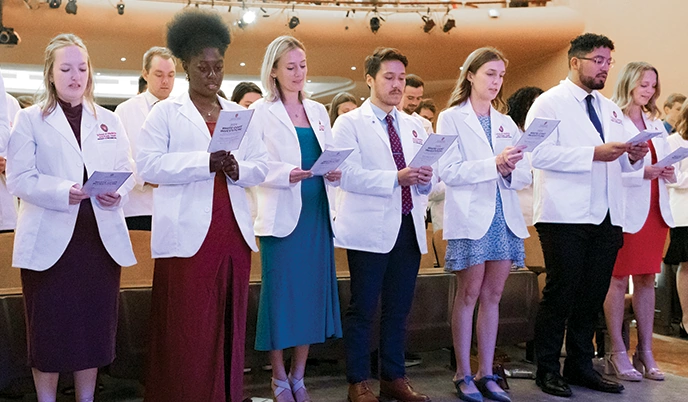
Future doctors take the stage
Donning his white coat for the first time, Ian Hines, one of 176 students starting the MD program in the University of Wisconsin School of Medicine and Public Health, said he felt honored, humbled and a bit overwhelmed.

Q&A with Lynda S. Bader on strategy within the Clinical Trials Institute
Lynda S. Bader is the director of clinical trials strategic initiatives for the UW Clinical Trials Institute (CTI). She was recently honored with a Regents Academic Staff Excellence Award, the highest recognition bestowed by the Universities of Wisconsin, for her leadership of strategic initiatives that have greatly improved the clinical trials landscape at UW–Madison.
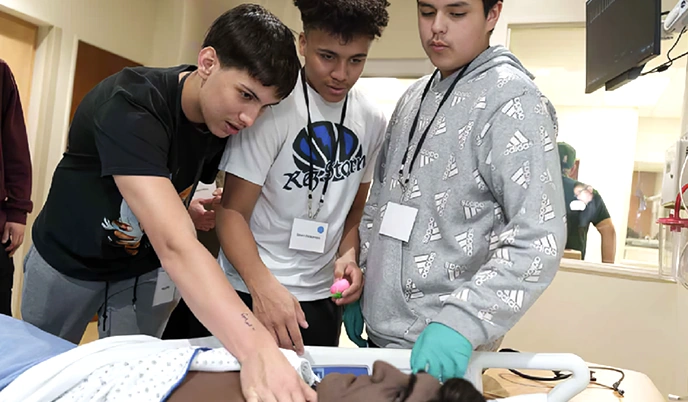
Showcasing health careers for Native students
For the 20th anniversary of Indigenous Health and Wellness Day, organizers knew the keynote speaker had to be someone special. They wanted to draw as many middle and high school students as possible to UW–Madison on April 26 for this long-running recruitment event, and they were looking for a person students could relate to, with a compelling story to tell.

Partnerships Bolster Biotechnology Research and Training
In October 2023, President Joe Biden announced Wisconsin’s selection among 31 Regional Technology Hubs designated by the Economic Development Administration under the 2021 Creating Helpful Incentives to Produce Semiconductors (CHIPS) and Science Act.

UW surgery turns 100
The first day of classes must have felt like a leap of faith. It was 1924 and just three faculty members charged with teaching three medical students made up the new surgery academic department in the University of Wisconsin’s new School of Medicine. At the Wisconsin General Hospital, community surgeons were called in to help teach the students how to set bones, treat sepsis, alleviate inflammation and perform minor surgery.
UW Native American Center for Health Professions receives funding to expand recruitment of indigenous students into health professions
A University of Wisconsin School of Medicine and Public Health center will be expanding its effort to recruit more American Indian/Alaska Native people into health professions.
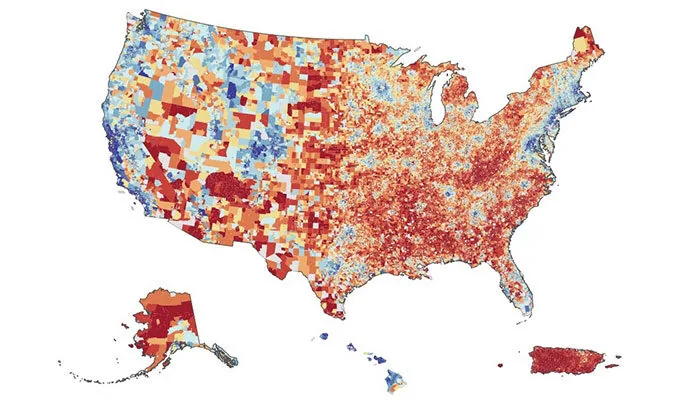
Federal agency uses UW–Madison Neighborhood Atlas research to shape national health policy
A data tool developed by UW–Madison researchers showing health-relevant metrics for every neighborhood in the United States is guiding a national model to help Medicare beneficiaries from under-resourced communities access health care more effectively.