Fourteen Vilas Awards recognize faculty excellence

August 26, 2026
Share

Fourteen faculty members in the University of Wisconsin School of Medicine and Public Health received Vilas Awards for the 2025–2026 academic year, the most the school has earned in a single year for at least a decade.

The group includes Anjon Audhya, the school’s inaugural vice dean of research, who was named a Vilas Research Professor, the first School of Medicine and Public Health faculty member to receive the honor. Three faculty earned Vilas Distinguished Achievement Professorships, four received Vilas Faculty Mid-Career Investigator Awards, four received Vilas Faculty Early-Career Investigator Awards and two received Vilas Associate Awards.

The Vilas Awards are supported by the estate of William F. Vilas (1840–1908), a law professor, UW regent, and U.S. senator. His trust provides funding each year across several award programs.


Vilas Research Professorship

Vilas Research Professorships represent the most prestigious tier of Vilas recognition. The professorship and funding are renewed annually for as long as the recipient remains at UW. Recipients must have proven research ability, have contributed significantly to the university’s research mission, and be recognized nationally and internationally for their work.

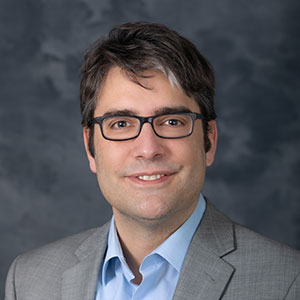
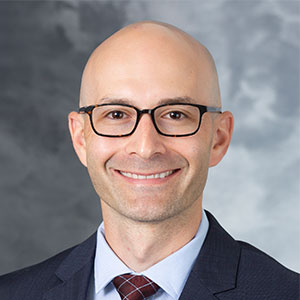
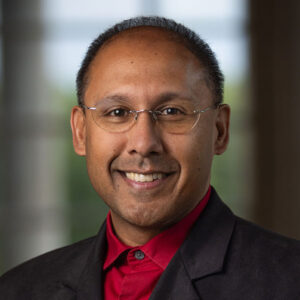
Anjon AudhyaAnjon Audhya, PhD, professor of biomolecular chemistry and inaugural vice dean of research, explores how cells move proteins, lipids and other essential molecules to the right place at the right time. His research focuses on the cellular trafficking systems that maintain normal cell function and how genetic mutations can disrupt these processes, leading to rare neurodegenerative diseases such as hereditary spastic paraplegia.
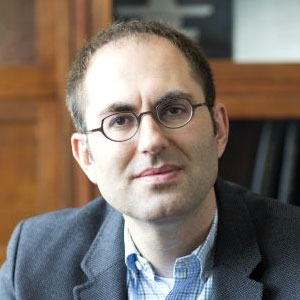
Audhya’s laboratory combines cutting-edge approaches in genetics, high-resolution microscopy and CRISPR genome editing, as well as human induced pluripotent stem cells and animal models to investigate disease mechanisms and accelerate therapeutic discovery. Audhya’s contributions to research have been recognized through a series of prestigious Vilas Awards, including honors for both early-career and mid-career achievement.


Vilas Distinguished Achievement Professorships

The Vilas Distinguished Achievement Professorships recognize distinguished scholarship as well as outstanding efforts in teaching and service. The professorship provides five years of flexible funding.

Rozalyn Anderson

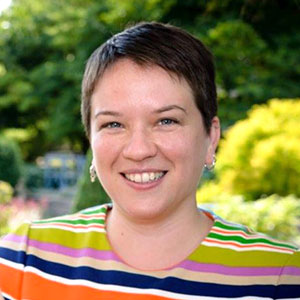
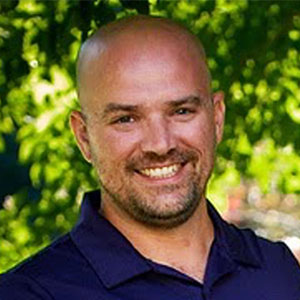
Rozalyn Anderson, PhD, is a professor of medicine and director of the new Wisconsin Nathan Shock Center of Excellence in the Basic Biology of Aging. Anderson’s research on metabolism as a key factor in health, aging and longevity was the inspiration for the new center. Her studies in mice, monkeys and humans probe mechanisms behind age-related conditions including frailty, metabolic disease, and neurodegenerative disease.

Joshua Coon

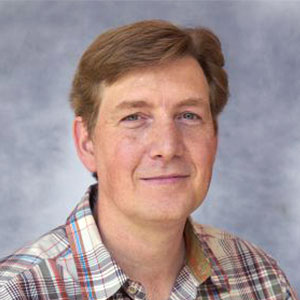
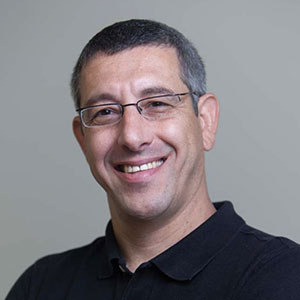
Joshua Coon, PhD, inaugural Thomas and Margaret Pyle Chair at the Morgridge Institute for Research and professor of biomolecular chemistry, develops technologies for measuring proteins, lipids and metabolites across living systems on a large scale, using state-of-the-art technologies such as mass spectrometry and electron microscopy. Coon has earned numerous honors, including the Biemann Medal from the American Society for Mass Spectrometry.

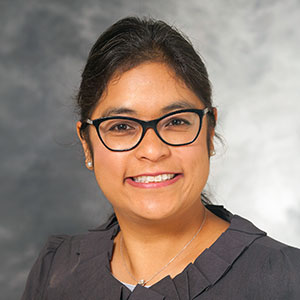
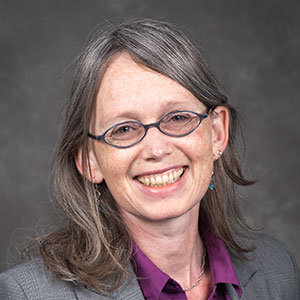
Lynn Schnapp, MD, George R. and Elaine Love Professor, chair of the Department of Medicine, and pulmonary physician-scientist investigating mechanisms of lung injury and repair, focuses on matrix remodeling in healthy and diseased lungs. She also examines the role of stromal cells such as lung pericytes in scarring and fibrosis.

Vilas Faculty Mid-Career Investigator Awards

The Vilas Faculty Mid-Career Investigator Awards recognize research and teaching excellence in faculty at mid-career. The awards provide flexible research funds over a two- or three-year term.

Diego Hernando

Diego Hernando, PhD, associate professor of radiology and medical physics, leads an NIH-funded research group developing and applying quantitative imaging techniques. His goal is to transform MRI into a quantitative modality that translates physical tissue attributes into precise numerical measurements and identifies imaging biomarkers that improve how diseases are detected and monitored.

Nicole Nelson

Nicole Nelson, PhD, associate professor of medical history and bioethics, is a science and technology studies scholar who studies research cultures, with a focus on reproducibility and rigor in biomedicine. She is the current director of the Holtz Center for Science and Technology Studies, a past editor of Social Studies of Science, and a former fellow at the Radcliffe Institute for Advanced Study.

Anne Marie Singh

Anne Marie Singh, MD, professor of pediatrics and interim chief of the division of allergy, immunology and rheumatology, works to improve care for children with early-life atopic diseases, including atopic dermatitis and food allergy. She studies how environmental and microbial exposures affect the development of allergic diseases. She currently leads the NIH Childhood Allergy and Neonatal Environment birth cohort study.

Oliver Wieben

Oliver Wieben, PhD, professor of medical physics and radiology and chair of research for medical physics, develops MRI methods for cardiovascular imaging, aiming to improve data acquisition, image reconstruction and post-processing techniques. He develops and validates non-invasive techniques for quantifying cardiac and vascular anatomy and function and blood flow with applications in the brain, heart, kidneys, liver, and placenta.

Vilas Faculty Early-Career Investigator Awards

The Vilas Faculty Early-Career Investigator Awards recognize research and teaching excellence in faculty at relatively early stages of their careers. Like the mid-career awards, they provide flexible research funds over a two- or three-year term.

David Harris

David Harris, MD, FACS, assistant professor of surgery and Principal Investigator for the Wisconsin Surgical Laboratory in Metabolism, studies how metabolic treatments like bariatric surgery impact organ function and aging. His lab is actively investigating impacts on a variety of human diseases including obesity, diabetes, cancer, and Alzheimer’s disease.

Andrew Hryckowian

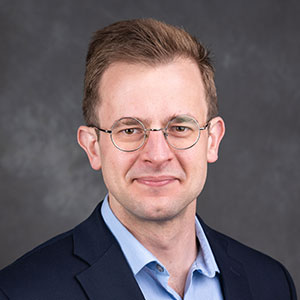
Andrew Hryckowian, PhD, is the Judy L. and Sal A. Troia Professor in Gastrointestinal Disease Research and assistant professor of medicine. His lab investigates microbiome-host-pathogen interactions to build non-antibiotic methods for managing infectious diseases, including those caused by Clostridioides difficile. By bridging basic microbiology with translational models, his research aims to harness the microbiome to mitigate diverse human diseases.

Junsu Kang

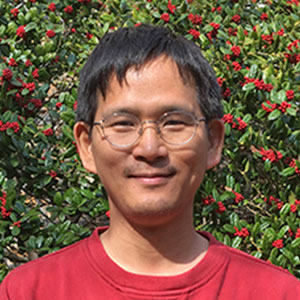
Junsu Kang, PhD, associate professor of cell and regenerative biology, studies zebrafish fin and heart regeneration. His laboratory discovered regeneration-responsive enhancers and novel genes essential for tissue regeneration, demonstrating that engineering these factors can modulate regenerative outcomes. By elucidating the molecular mechanisms underlying tissue regeneration, Kang aims to advance regenerative medicine and develop new therapeutic strategies for human diseases.

Daniel Shapiro

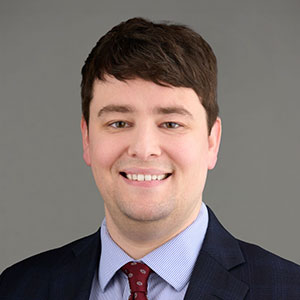
Daniel Shapiro, MD, FACS, assistant professor of urology, is a surgeon-scientist investigating the kidney cancer tumor immune microenvironment. He integrates spatial transcriptomics, single-cell sequencing and murine models to study T cell signaling, seeking to understand what drives treatment resistance and the spread of kidney cancer.

Vilas Associate Awards

The Vilas Associate Awards recognize faculty with new and ongoing research of the highest quality and significance. Each award covers two fiscal years.

Barak Blum

Barak Blum, PhD, associate professor of cell and regenerative biology, researches the development and function of the insulin-secreting beta cells in the pancreas and the cellular and molecular organogenesis of the islets of Langerhans, where beta cells reside, with the aim of understanding and eventually curing diabetes.

John-Demian Sauer

John-Demian Sauer, PhD, professor of medical microbiology and immunology, studies how bacterial pathogens like Listeria monocytogenes invade host cells and how the immune system recognizes and defends against them. His lab investigates the bacterial virulence factors that drive infection as well as the host immune signaling that responds, and engineers Listeria as a platform for vaccines and cancer immunotherapy.